



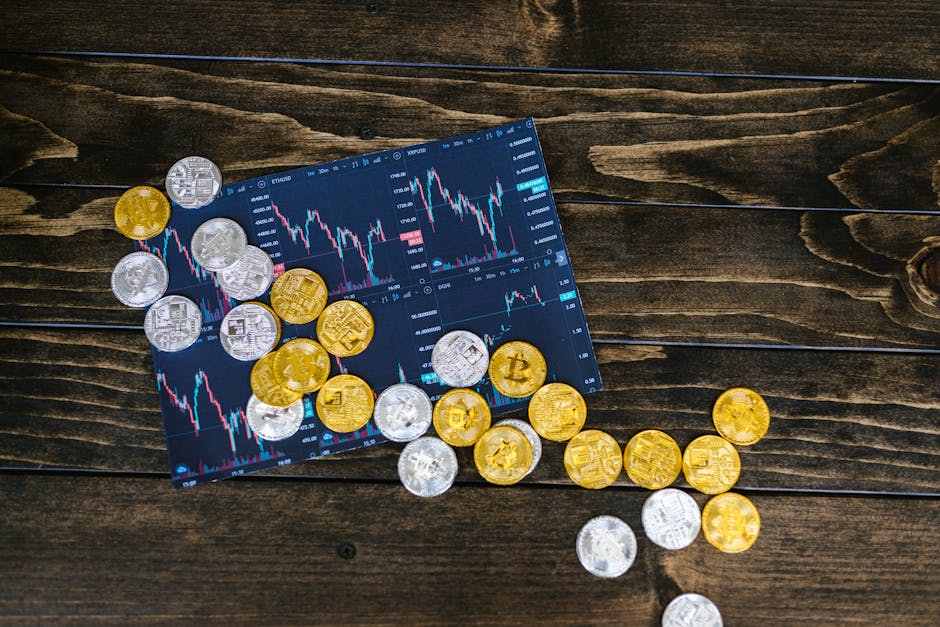
Modern markets generate massive data streams that exceed human processing capacity. BlueQ AI financial insights solve this by applying machine learning models to real-time equity, forex, and commodity data. The system scans for non-obvious correlations—like the relationship between supply chain disruptions and sector volatility—that traditional analysis often misses.
Instead of relying on lagging indicators, BlueQ AI uses predictive algorithms to forecast short-term price movements with statistical confidence intervals. The platform filters noise from news sentiment, earnings reports, and macroeconomic releases, presenting only high-probability signals. This allows investors to act on patterns that emerge hours or days before they become visible on standard charts.
Beyond signal generation, BlueQ AI assigns a dynamic risk score to each opportunity. The score combines historical volatility, liquidity metrics, and current market regime (bull, bear, or range-bound). Users can set risk thresholds—for example, excluding assets with a score above 60—to align with their personal tolerance. The system also suggests position sizing based on Kelly Criterion or fixed-fraction methods, reducing emotional bias in allocation.
Investment firms and independent traders use BlueQ AI to bridge the gap between analysis and action. The platform integrates with major broker APIs, enabling automated execution of vetted trades. For a mid-cap tech stock, the AI might detect a breakout pattern supported by rising institutional accumulation and positive earnings surprise probability—triggering a buy signal with a predefined stop-loss.
One concrete example: during the Q3 earnings season, BlueQ AI flagged a logistics company whose revenue growth exceeded analyst estimates by 12%, while the stock had not yet priced in the data. Users who followed the signal saw a 7% gain within 72 hours. The system’s ability to parse unstructured earnings call transcripts gave it an edge over human analysts who focused only on headline numbers.
Every insight from BlueQ AI comes with a backtested track record. The platform simulates how the strategy would have performed over the past 5 years, accounting for slippage and commissions. This transparency helps users distinguish between luck and skill. The AI also updates its models when market conditions shift—for instance, recalibrating volatility estimates during low-liquidity periods.
No AI system eliminates risk. BlueQ AI explicitly warns against over-leveraging or ignoring fundamental context. The tool is designed to augment, not replace, human judgment. Sudden black-swan events—like regulatory changes or geopolitical shocks—can still break statistical patterns. Responsible users combine AI signals with their own sector knowledge and diversification rules.
The platform’s value lies in speed and pattern recognition, not in guaranteeing returns. Investors who treat BlueQ AI as a decision-support layer—rather than a crystal ball—consistently achieve better risk-adjusted outcomes. The system’s true strength is in reducing noise and reaction time, giving disciplined traders a measurable advantage in competitive markets.
It aggregates real-time price feeds, SEC filings, earnings call transcripts, news sentiment, and macroeconomic indicators from 50+ global sources.
No. It provides data-driven signals and risk metrics, but strategic asset allocation and tax planning still require human expertise and personal context.
Models are retrained weekly on new market data, with emergency recalibrations during major volatility events like rate decisions or earnings shocks.
Yes, but it is optimized for swing trading and tactical allocation. Long-term holders can use it for entry timing and risk management around core positions.
Marcus T.
I’ve used BlueQ AI for six months. It caught a biotech rally that my usual indicators missed. The risk scoring saved me from a bad pharma play. Solid tool for active traders.
Lena K.
The earnings sentiment analysis is surprisingly accurate. BlueQ flagged a retail stock before the price moved. I now check it daily before making any trade above $5k.
Raj P.
I was skeptical about AI trading tools, but the backtesting feature convinced me. It’s not perfect—lost on a couple of oil trades—but the win rate is better than my manual picks.

